
Start the Grand County Former-Owner Trail with a Dated Source
Not every record carries the same weight when you rebuild a property's past. Grand County's recorded deeds are the instruments that actually transferred land. A tax roll is a dated assessment record. It is useful for placing an owner of record in a given year. A newspaper story adds color but proves nothing about title. For older Grand County property records, State Archives finding aids describe long-running tax and assessment series. The Library keeps local newspapers handy for house history. Match each source to the job it does. Let the deed records anchor the chain.
| Source | Years It Covers | Where Held | What It Shows |
|---|---|---|---|
| AcclaimWeb deed index | Online start year not published | Grand County Recorder | Recorded parties, legal description and dates |
| Older deed books / indexes | Coverage and cutoff need Recorder confirmation | Recorder | Earlier grantor-grantee references |
| Tax assessment rolls | 1890–1996 series documented | Utah State Archives | Taxpayer and assessment history by year |
| Newspaper collections | Times Independent to 2005; Castle Valley Times 1992–1998 | Grand County Library | Notices, project context and local names |
Where you start depends on how far back you need to go. Recent transfers begin with the online recorder index. For the earliest indexed deed, ask the Grand County Recorder whether an older book or microfilm index exists. Tax history calls for Archives finding aids, searched with a parcel and a year range. For a neighborhood name or an estate notice, the Library's local newspaper archive is the right stop.
Grand County Tax Rolls Can Extend a House History
Utah State Archives holds a deep bench of Grand County Treasurer material. Assessment rolls run from 1890 through 1996. The same collections include delinquent-tax records and tax-sale records. They also hold redemption certificates, inheritance-tax and lien books, roll indexes, and receipts. A March 2026 finding-aid update adds assessor taxpayer statements from 1913. It also adds Board of Equalization notifications from 1893 through 1896. The Archives is clear about what these are. Finding aids describe record series; they do not promise a name-searchable parcel chain.
Bring the current parcel number, legal description, and known owner names when you contact staff. That lets them point to the right volume or box. An assessment roll shows who was listed for tax purposes in a year. But only a recorded deed or court order proves a transfer. Link every archive entry to a recorded instrument. Do that before calling your owner sequence a title history. The March 2026 Archives finding aids list the Grand County historical tax series.
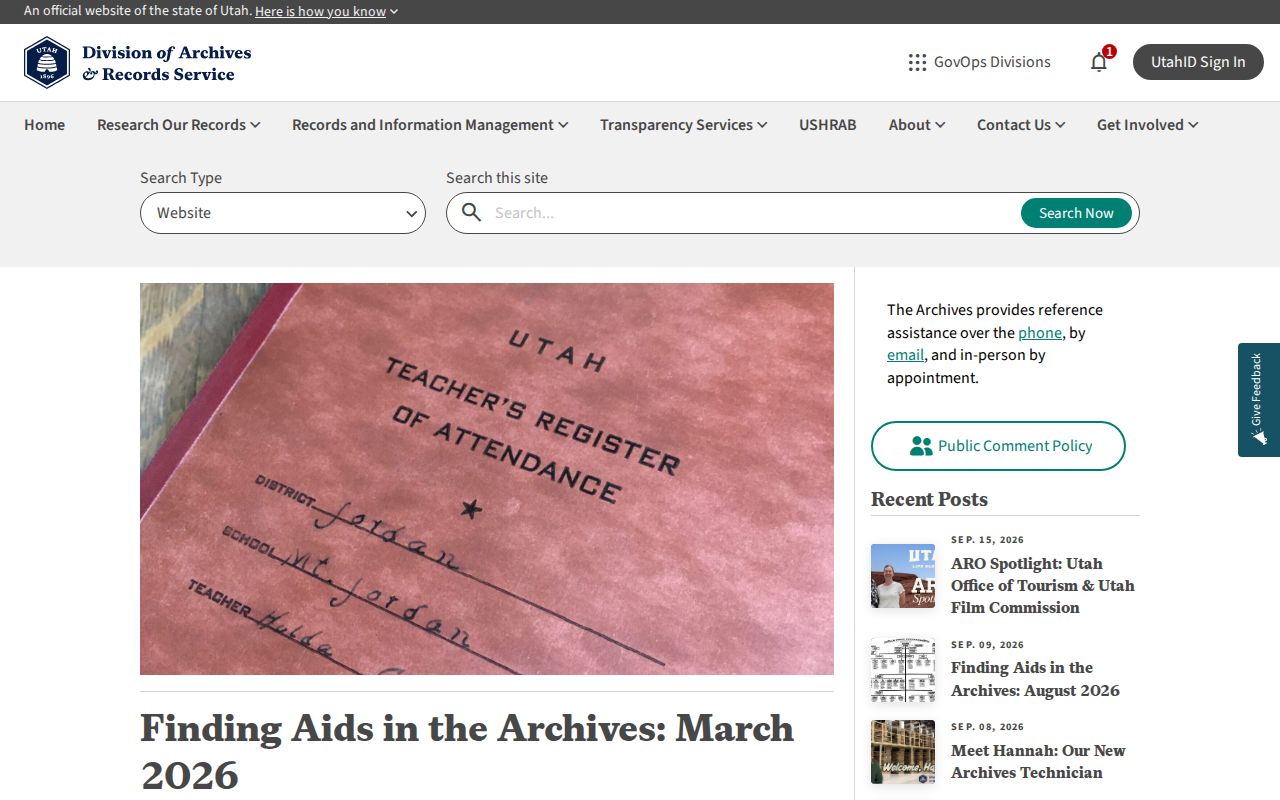
Note: Confirm series and access details with Archives staff, since the finding aids are a guide, not a deed index.
Walk Backward through the Grand County Grantor-Grantee Chain
Start with the latest deed naming the likely current owner as grantee. Copy the grantor, grantee, legal description, record date, and book/page or reception number. Then search that prior grantor as a grantee in an earlier deed. Check that the land description matches before adding the name to your chain. Move one conveyance at a time. Keep a dated sequence rather than a pile of disconnected names. Spellings vary across old deed records, so compare roles and descriptions before joining two entries.
- Find the latest acquisition deed and note its grantee.
- Record the grantor and exact legal description from the instrument.
- Search the prior grantor as grantee and verify the same parcel.
- Repeat until the online index ends, then ask the Recorder about older books or indexes.
- Grantor / grantee
- Parties conveying and receiving the stated interest.
- Chain of title
- The ordered series of recorded conveyances for a parcel.
- Legal description
- A land description that can remain useful when a street address changes.
Use the Legal Description When an Address Changes
Street addresses lie more often than people expect. They can be incomplete, renamed, or assigned only after a subdivision plat was recorded. An older deed may instead identify a lot and block, a recorded plat, monuments, easements, or metes and bounds. Start from the present APN, pull its current legal description, and hunt that description through older deeds. Grand County's tax search shows a quirk worth noting: a GIS serial may need punctuation and an inserted zero before it becomes a valid tax parcel number. Save both forms of the parcel in your notes.
Moab's subdivision forms tie everything together. They require house numbers assigned by the city engineer on the final plat, which shows exactly how a street address links to a legal description. For an older property or a lot split, request the recorded plat or survey itself. A map polygon alone never proves two descriptions are identical.
Probate and Estate Filings Can Break a Simple Chain
Not every ownership change comes from a sale. An estate transfer may use a personal-representative deed. It may also use a beneficiary deed or an affidavit. A distribution or a court order works too. Search the recorder index by the decedent's or representative's name and the legal description. Utah Courts Xchange then locates public case information for the probate. Grand County publishes no online probate cutoff. Ask the Sixth District Court clerk or Archives about your date and case details.
A death-register entry can identify a person and residence, but it transfers no land. Grand County series cover 1898 through 1905 and 1947 through 1968. Recent certificates carry access restrictions. Confirm any estate-related change with the recorded instrument or court order. An obituary alone is never enough. The Utah State Archives death-register inventory describes the Grand County series and its access details.
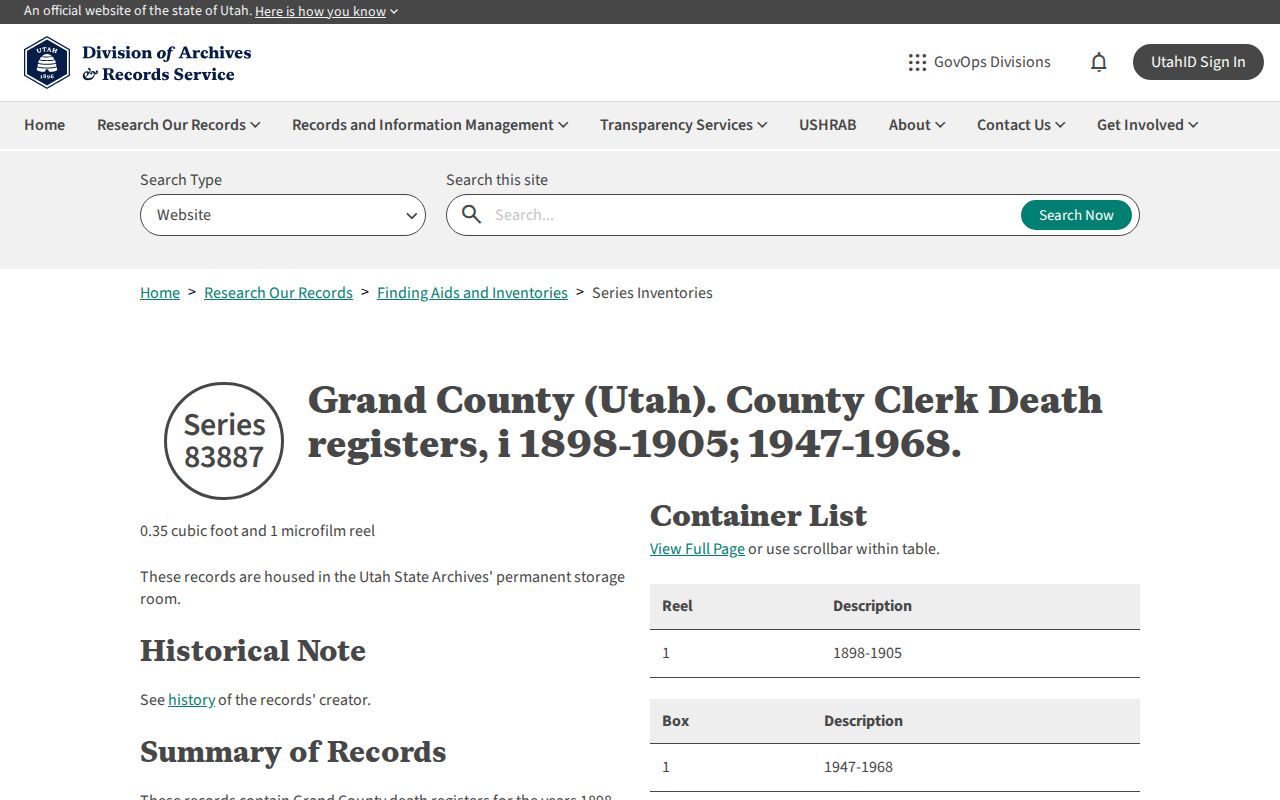
The register helps fix identity and dates. The deed or probate order remains the title-transfer record. Utah Courts Xchange is the public case-information route for a related Grand County probate or quiet-title case.
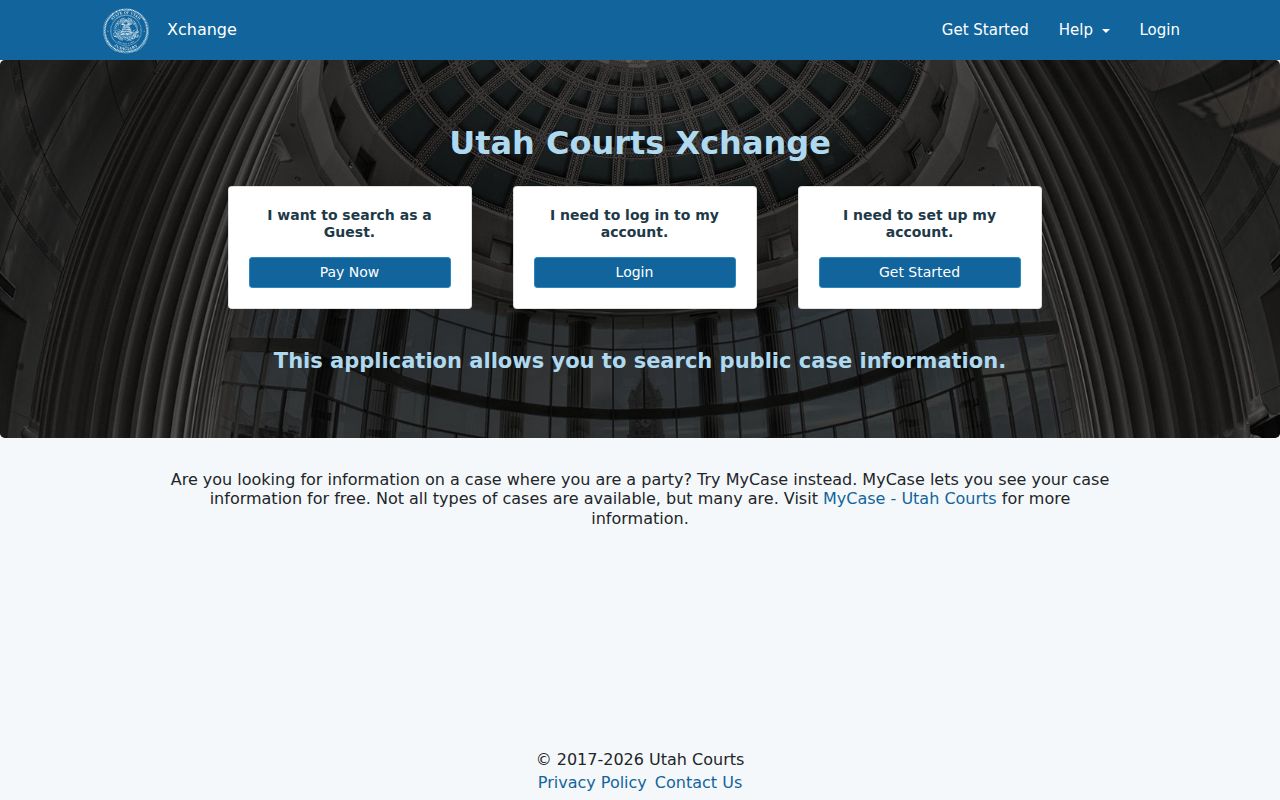
Case information points to a court file; the Recorder's recorded instrument still confirms any Grand County land transfer.
Use Grand County Newspapers for Transfer Context
Grand County newspapers add human context to a change of ownership. The Library's local archive holds Times Independent issues from its early Grand Valley Times name. It also holds Castle Valley Times from 1992 through 1998. The Times Independent issues run through 2005. Search a surname, subdivision, road, estate notice or planning hearing. Old articles often reveal the language residents actually used for a place. The Moab branch keeps a microfilm reader and printer, a scanner and public computers. Ask about the right format before you go.
Treat every clipping as a lead, not proof of title. A story can explain a development or flag a person with a similar name. Match the clue to a parcel first. Then confirm it against a deed, plat or tax roll in the county property records. The Library's digital library page describes the newspaper holdings.
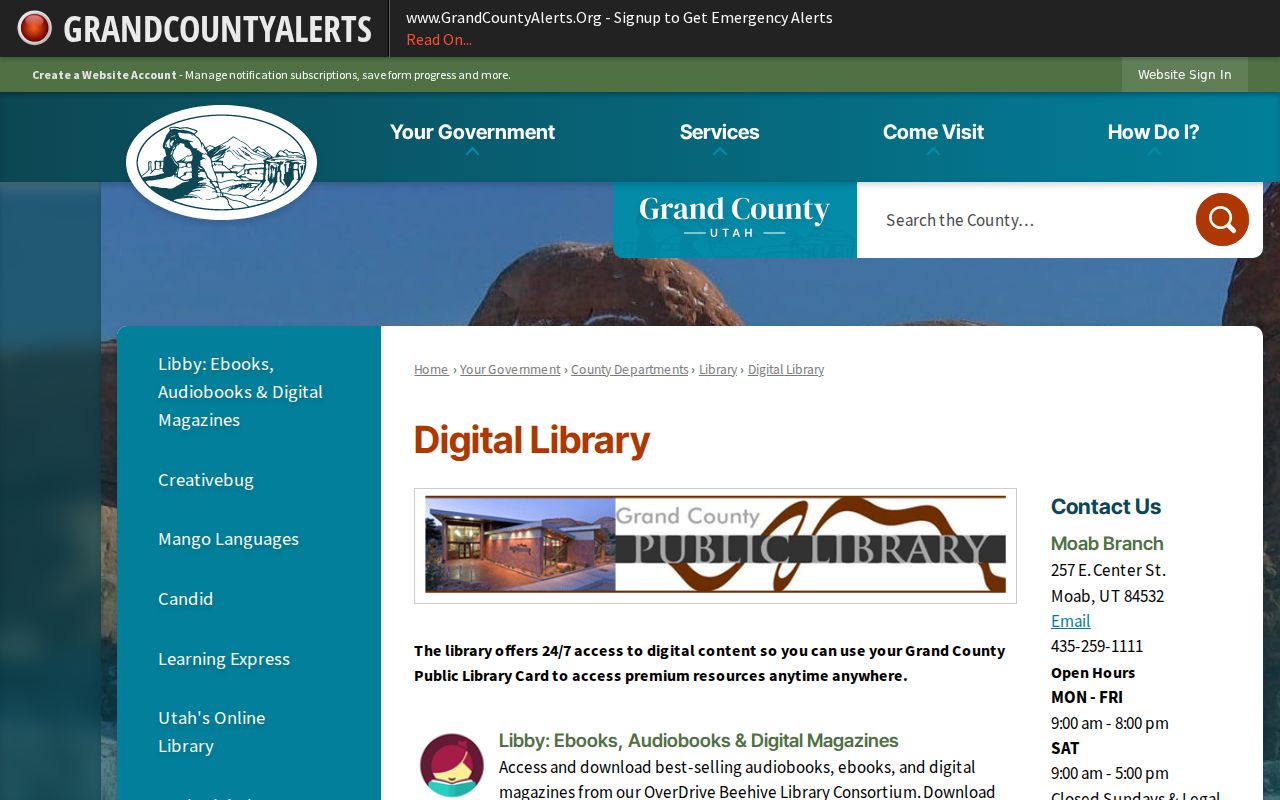
Newspaper years point you toward a possible transfer. Always verify the change of ownership in the official Grand County record.
Castle Valley’s Ranch-to-Town History in the Record
Castle Valley gives former-owner research its own local thread. A Utah State Historical Society account dates modern development to 1973. That was when Carlsberg Development Corporation bought a ranch. The town incorporated in 1986, it says. But a 2025 official planning document gives July 26, 1985. That conflict is a reason to check the original incorporation record yourself. Before townhood, large agricultural and ranch parcels often appear under older locality or ranch names. They may not carry today's street addresses.
To bridge that history to the present parcel, work from the Castle Valley page and a road name. Add the current legal description and a county map. The town publishes no plat list or APN prefix. So skip assumptions. Never import Moab subdivision names into a Castle Valley deed chain. The 01-MBO- map pattern does not belong there either.
How Far Back Grand County Ownership Records Reach
Grand County's Archives office documents tax history reaching back into the nineteenth and twentieth centuries. Those older tax rolls can help trace ownership across generations. The Recorder's deed books tell another part of the story. The earliest deed book, the AcclaimWeb start year, and the imaging cutover are not confirmed in the official sources. So the online search window may not cover the full chain of title. Tax-roll series cannot fill every gap either. When a deed chain runs older than what the property search shows, ask the Recorder to pull the historical index. Ask for the parcel number in question. Archives staff can also check assessment and tax-sale series for a given year. That can corroborate a name tied to the parcel when the deed record alone falls short.
Lawful use. Research former owners for property diligence and house history. Do not use old names, addresses or public records to track, harass or harm any living person.